

Cafe Espresso Machines
Contrary to coffee pots, cafe espresso machines can produce numerous different caffeinated beverages. They also come with a broad range of features that allow users to precisely control brewing variables.
The machine is pre-programmed with settings for the most popular classic drinks. Baristas with advanced training can customize these settings to meet their own preferences. It is important to know your own needs and expectations before buying a machine.
Simple to use
A cafe espresso machine pumps pressurized drinking water through finely-ground coffee beans to create an espresso. The small coffee maker is a technological marvel. It is comprised of a reservoir, an handle and a group head (or "basket") that attaches to the portafilter. The portafilter, which is a tiny filter that filters the grounds is to be tamped before putting it into the gasket. This will ensure proper pressure and flavor extraction. The espresso machine also has steam arm and nozzle to heat the milk to make drinks such as cappuccino and latte.
The controls of an espresso machine are simple to grasp and easy to use. The on/off switch and the indicators show whether the heating chamber is at the temperature of cold or hot. The control valve is used to start the flow of water through the portafilter when the brew buttons are activated. It also serves for steam flow through the wand. The steam and brew buttons can also be programmed to be adapted to a specific preference.
The majority of espresso machines are designed to deliver up to 20 bar of pressure. This can help the machine to make a good shot, but it is important that you remember that higher pressure does not always mean better. In fact, over-pressurizing the machine could cause bitterness and over-extraction.
A good espresso machine should be able to make a good shot with portafilters that have not been properly tamped or grounds that aren't consistent. An espresso that is well-made should have a creamy thick, thick crema that sticks to the cup. It should also have a clear, sweet flavor and a pleasant scent.
While a basic espresso machine can be an excellent choice for your home, more advanced machines can be a great investment for a coffee shop or business. There are many cafes that offer a variety of top-quality espresso machines. The best ones have features like multi-boilers, sophisticated PID control and pre-infusion.
They may be more expensive, but they will produce a drink that is more consistent than cheaper models. They are also easier to use and allow you to make a variety of drinks. They will also provide a better experience than pod-based machines.
Easy to clean
An espresso machine is an important investment that provides energizing shots of caffeine to your customers. It also boosts your business by elevating the experience of drinking coffee, and is a great way to increase the revenue per ticket. Like all other pieces of equipment, it needs proper cleaning and care. This will keep your coffee fresh and delicious and prolong its lifespan.
Espresso machines come with a variety of cleaning products as well as descaling solutions specifically designed for. Before using them products, make sure you check the instructions of the manufacturer. If you use the wrong product, it could harm the espresso machine or create unpleasant tastes in your drinks.
It is recommended to clean your espresso machine every day. Professional baristas usually clean their machines daily at the end of the day's work however, you can incorporate it into your routine housekeeping. Rinse the portafilters using hot water first. If you notice stains then use a brush to take them off. Also, you should wipe the portafilter holder, water screen and steam arm using a soft rag. If your espresso machine comes with drip tray, it is recommended to clean it every day.
Another important step is to backflush your espresso machine. This can be done by rinsing the portafilter and brushing the group head underneath. This is important to remove the dregs that remain behind after brewing. Most espresso machines have a backflush function that you can set, however in the event that yours doesn't have this feature, you can set it manually.
You should backflush your coffee machine at least once a week, or at most every month. If you don't, a layer dirt could build up on the ports and other components of the espresso machine. This could affect the flavor of your coffee and even make it smell bad. A clean machine will make a better Crema which is a thin layer of bubbles on the top of your espresso.
Easy to maintain
The success of a specialty coffee shop is dependent on two things: staff and equipment. If either of them fails the coffee shop could be in hot water - literally. If you're looking for a method to stop this from happening, consider scheduling routine maintenance with a reputable repair and maintenance company. This will save you money and make sure that your espresso machine is ready for the morning rush.
Although it might seem like a hassle to schedule routine maintenance, it's better than having to deal with a catastrophic equipment failure when you're rushing through the morning rush. It will also keep your customers happy and they'll be back to enjoy more of the delicious beverages you're famous for.
A coffee machine's maintenance schedule should include daily cleanings of the removable parts and every week, restocking the water tank. This reduces the chance of mineral deposits and water residue. espresso machine with grinder of the water used in the machine also influences the frequency and intensity of mineral buildup. Hard water can cause minerals to accumulate faster while soft water, or water that has been filtered, is less harsh on the equipment.
It is essential to check the temperature and pressure of the water regularly, and cleaning the shower each day. They can be affected in a number of ways, including by the quality of water as well as the pressure of the steam wand. If the pressure of water in your shower is low, you should adjust it to the recommended levels suggested by the manufacturer.
The group head of an espresso machine is a different component that must be maintained regularly. It is the primary way for water to travel through the machine and directly impacts the taste of the brewed coffee. Keep the group head free of dirt to avoid it developing a bitter taste.
If you want your maintenance to be top-quality, work with someone who is specialized in your specific brand of espresso machine. This will ensure your technician is familiarized with your equipment, and can deal with any issues that might arise. This is especially crucial if your equipment is an unusual model.
Easy to brew
A cafe espresso machine utilizes high pressure to force water through coffee grounds, resulting in a high-caffeinated beverage that can be enjoyed with milk or mixed with ice cream and other ingredients. The process is easy, and the result is delicious. Espresso machines are a great way to start if you're new to the world of making espresso. The most basic machines function by heating water in an airtight container, and then forcing the water under pressure of 9 bar through the ground to create the espresso shot. The more sophisticated machines employ the same method but with different components, pneumatic systems, and computerized controls.
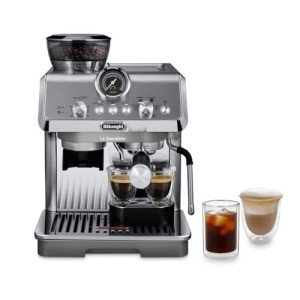
The basic machine comes with a grouphead and portafilter along with a steam wand as well as spouts for espresso or hot water. The portafilter is a removable basket into which the ground coffee is placed and secured, and the handle is connected to a spigot which delivers the brewed espresso. The spigot also has an option switch which can be moved from the espresso position to the steam position. The switch activates an electronic micro-switch which starts the pump, pressurizes the head of the group to 15 atmospheres (220 psi) and forces water through the ground.
In addition to the basic machine, several models include the reservoir to store water. When a button is hit, the water is pumped from the reservoir at high pressure through the brewing chamber, and into the filter. The spouts on the machine are triggered to begin pouring espresso shots. The brewing process should take about 25 seconds for the 1.5-ounce shot.
Once the espresso is brewed, the spouts can be switched to the steam or hot water position, and the wand can be used to heat and froth milk for cappuccinos, lattes, etc. Pressing the switch again will return the switch to the espresso position, allowing you to start a new cycle.
As you gain experience, you'll know the specific steps to make the perfect espresso, and other drinks. Nevertheless, it is crucial to remember that these basic guidelines are not an alternative to tasting and experimentation. The best way to learn about espresso is to taste it.